Proof Over Promise: A Buyer's Field Guide to Household Products That Actually Hold Up in Fire
Almost everything sold to a safety-conscious shopper carries some version of the same language: fire-resistant, flame-retardant, heat-tested. Very little of it explains which standard was applied, by whom, or what the result actually means. This guide translates the lab jargon into plain English and sorts ten common household categories into two columns — products that earn their claims, and products that mostly earn their marketing budgets.
The Winners: Five Products With Real Credentials
1. UL-listed fire safes for documents and media. A safe carrying a UL 72 Class 350 rating has been tested to keep its interior below 350°F — the ignition point of paper — through a full-duration fire exposure. Look for the rating class, not the word "fireproof," which has no legal definition. For digital media, a Class 125 rating (interior below 125°F and 80% humidity) is the appropriate spec.
2. Fireproof document pouches with third-party testing. The best silicone-coated fiberglass pouches are tested to ASTM standards and specify both temperature and duration. The weak ones are simply fabric with a certification that goes nowhere. If the listing doesn't name a standard, keep shopping.
3. Mattresses compliant with 16 CFR Part 1633. Since 2007, all mattresses sold in the US must resist a open-flame test simulating burning bedding. Compliance is federal law, not a bonus feature — which is why the phrase "flame-retardant mattress" as a selling point should raise an eyebrow rather than lower it.
4. Children's sleepwear meeting 16 CFR Part 1615/1616. Tight-fitting sleepwear and flame-resistant fabrics in children's garments are governed by strict federal flammability standards with real teeth. This is one category where regulation has genuinely done the work for you — provided you buy from established retailers rather than unverified overseas marketplaces.
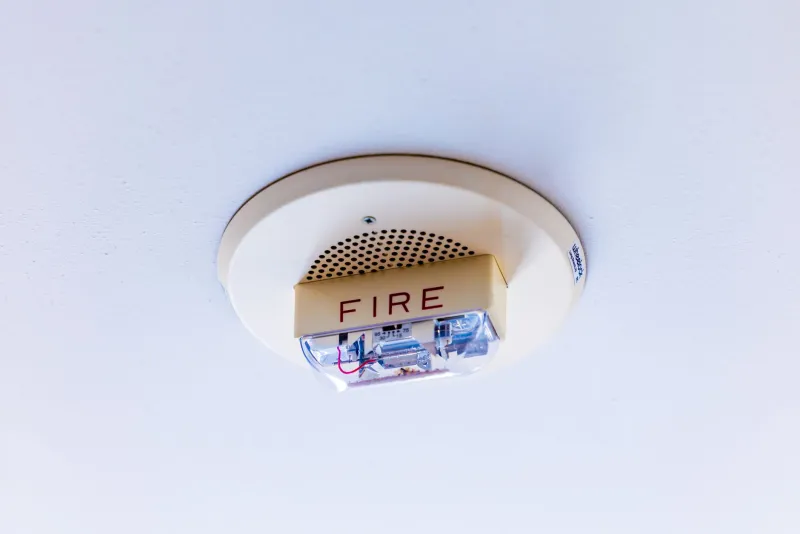
5. UL-certified smoke and CO alarms with end-of-life signals. Underwriters Laboratories' UL 217 standard, updated in 2020, requires alarms to distinguish cooking smoke from genuine fire — reducing nuisance disconnects, which are themselves a leading cause of non-functioning alarms. Buy alarms bearing the current certification and replace them on schedule.
The Losers: Five Products That Don't Hold Up
1. Bargain-bin "fireproof" bags without a named standard. If the product page says "fireproof" but the fine print never cites ASTM or UL testing, assume it's a zipper pouch with good copy.
2. Imported upholstered furniture with unknown foam. Polyurethane foam burns fast and produces carbon monoxide and hydrogen cyanide. US standards have tightened; products shipped through gray-market channels have not necessarily met them.
3. Decorative candles and wax warmers near soft goods. Not a product defect — a product category whose entire function is an open flame. No certification rescues placement next to curtains.
4. Older extension cords and power strips without surge or overcurrent protection. Aging insulation and undersized conductors are a chronic ignition source. If the cord predates the smartphone era, retire it.
5. "Fire-resistant" spray treatments for fabric sold without test data. Consumer-applied flame retardant sprays rarely achieve the penetration and durability of factory treatments, and some release questionable compounds as they age.
How to Read a Label Like an Investigator
Three questions do most of the work: Which standard? Which testing body? What duration and temperature? "Tested to ASTM E119 for one hour at 1,700°F" means something. "Fire-tested for your peace of mind" means nothing.
The products worth owning are the ones that can show their work. Everything else is a claim — and claims don't hold up under heat.