Charge With Intent: Rethinking How American Households Store and Power Their Lithium-Ion Fleet
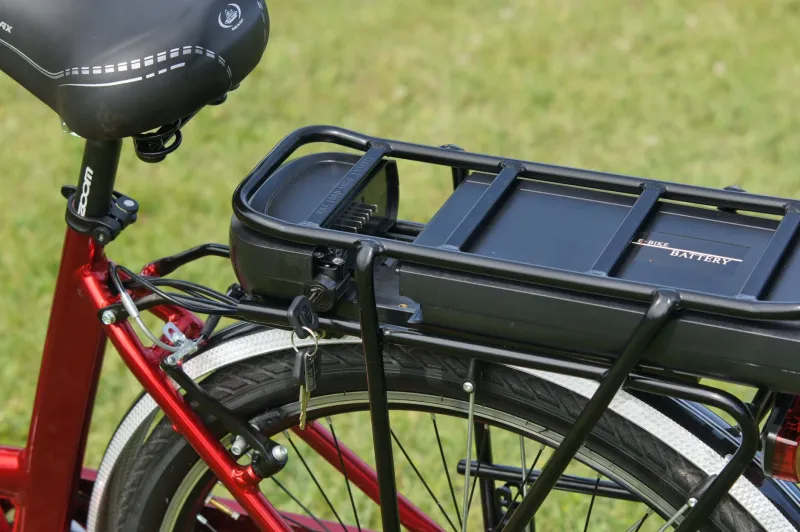
Walk down the aisle of any suburban garage in America and you'll find the same scene: an e-bike leaning against the wall, a cordless drill resting on its charger, a scooter plugged in overnight beside a shelf of paint cans. Each of those devices carries a lithium-ion pack — a dense store of energy that, under normal conditions, is remarkably safe. Under abnormal conditions, it can fail in seconds.
The pattern is no longer anecdotal. Fire departments in New York, San Francisco, and Los Angeles have all reported sharp rises in fires traced to micromobility batteries and consumer electronics. The hazard isn't the technology itself; it's the casual way millions of households charge and store it.
Understanding the Failure Mode
Lithium-ion cells fail through a process called thermal runaway. When a cell is damaged, overcharged, or built with substandard materials, internal temperatures can spike until the cell vents flammable electrolyte vapor. That vapor ignites, spreads heat to neighboring cells, and within moments the entire pack is involved. Unlike a wood fire, a battery fire produces its own oxidizer, meaning it can burn even when smothered.
The single largest contributing factor in documented incidents is charging equipment. Counterfeit chargers, off-brand replacement packs, and daisy-chained power strips are recurring elements in fire investigations. The battery pack and the charger were engineered as a matched system; mixing them introduces variables neither was designed to handle.
Certified Containment: Gear That Earns Its Place
A small but growing category of products addresses this risk directly. UL-certified charging cabinets — steel enclosures with fire-rated insulation, vented heat management, and overcurrent protection — were originally an industrial tool. They're now available in residential sizes, sized for a few e-bike batteries or a shelf of power tool packs. The better units are tested to standards such as UL 2899 for battery enclosures and can contain a runaway event long enough to prevent structural involvement.
Fireproof containment bags offer a lighter-touch option. Constructed from layered fiberglass and silica fabrics, these sleeves won't stop a full thermal runaway, but they can suppress a smoldering or venting pack, contain sparks, and buy the critical minutes needed for an occupant to react. They're inexpensive enough to justify one per battery in the household.
A Practical Charging Protocol
Safety here doesn't require paranoia — it requires a handful of consistent habits:
- Charge on hard, non-combustible surfaces. A concrete garage floor beats a bedroom carpet or an upholstered chair every time.
- Keep charging away from egress paths. A pack that ignites between you and the door is the worst-case scenario.
- Use only the manufacturer's charger and battery. Skip the marketplace bargain, however convincing the listing.
- Unplug at full charge. Avoid leaving packs on the charger overnight or while the house is asleep.
- Respect temperature limits. Never charge a pack that's hot from use, and keep batteries out of a car trunk in summer.
- Retire damaged batteries. A pack that's been dropped, swollen, or dented belongs at a battery recycling drop-off, not back on the charger.
The Bigger Picture
None of this argues against e-bikes or cordless tools — both have delivered genuine benefits in emissions, cost, and convenience. It argues for treating their batteries with the same respect given to a can of gasoline. The technology to make charging safe already exists; it's a matter of households choosing certified equipment over the cheapest option on the shelf.
The garage doesn't have to be the riskiest room in the house. With the right enclosure, the right charger, and a short checklist taped to the wall, it can simply be a place where the tools wait for the next job.